
Become a qualified Civil Engineer employers want on site
This IQAs UK-certified 12-month diploma takes you from first principles to finished project — covering foundations, structures, drainage, highways, and site surveying with the precision and confidence of a chartered engineer behind every lesson.
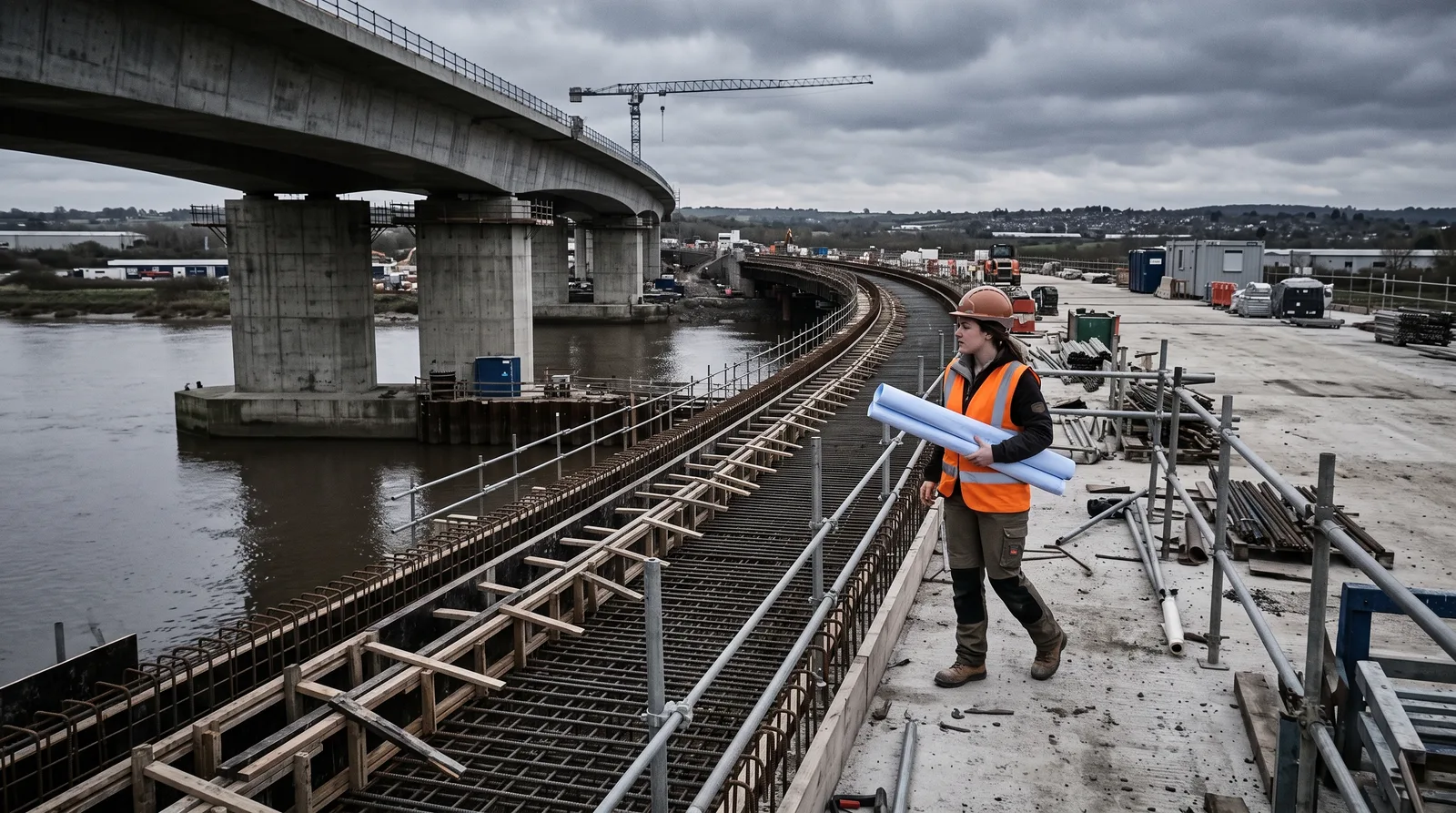
"Every concept in this course exists because a civil engineer needed it on a real project — and so will you."
— Autostudy

What you'll learn
What you'll be able to do
- Read and produce engineering drawings, including plans, sections, and construction details to UK standards
- Apply structural and geotechnical principles to assess foundations, retaining walls, and load-bearing elements on real projects
- Design and evaluate drainage and highway systems in line with UK regulations and Sewers for Adoption guidelines
- Carry out site surveying tasks using levelling equipment, total stations, and setting-out calculations
- Interpret and apply British Standards, Eurocodes, and Health & Safety legislation relevant to civil construction sites
- Produce a professional engineering report and project portfolio that meets UK diploma assessment criteria
How it works
A school that adapts to you
This isn't a set of static videos. Every lesson is generated live and tuned to where you actually are.
We learn your level
A quick placement check tailors your starting point so you're never bored or lost.
Lessons adapt as you go
Each lesson is written for your pace and your goal, adjusting as your skills grow.
Your AI coach keeps you moving
Checkpoints, feedback, and gentle nudges turn progress into a real result.
The curriculum
What's inside your school
50 modules · 236 lessons

Understanding Civil Engineering
This topic explores the fundamentals of civil engineering, including its purpose, development, major specializations, career pathways, professional responsibilities, and project lifecycle stages. Learners gain an appreciation of how civil engineering impacts society through infrastructure development and how engineers contribute to solving real-world construction and environmental challenges.
- 1.1What is Civil Engineering?Included
- 1.2History of Civil EngineeringIncluded
- 1.3Branches of Civil EngineeringIncluded
- 1.4Civil Engineering CareersIncluded
- 1.5Civil Engineer Roles and ResponsibilitiesIncluded
- 1.6Civil Engineering Projects LifecycleIncluded
Engineering Ethics and Professional Practice
This topic introduces ethical principles, professional behavior, sustainability responsibilities, environmental stewardship, and public safety obligations within civil engineering practice. Students learn how engineers make responsible decisions, maintain professional standards, comply with regulations, and prioritize the welfare of society throughout project planning and execution.
- 2.1Engineering EthicsIncluded
- 2.2Professional ConductIncluded
- 2.3Sustainability in EngineeringIncluded
- 2.4Environmental ResponsibilitiesIncluded
- 2.5Public Safety ObligationsIncluded
Construction Site Safety
This topic introduces fundamental construction site safety principles and practices. Learners explore common workplace hazards, risk control measures, personal protective equipment, safe working methods, and emergency procedures. Emphasis is placed on preventing accidents, reducing injuries, promoting safety awareness, and creating a positive safety culture on construction sites.
- 3.1Introduction to Site SafetyIncluded
- 3.2Hazard IdentificationIncluded
- 3.3Risk Assessment ProceduresIncluded
- 3.4Personal Protective Equipment (PPE)Included
- 3.5Safe Working PracticesIncluded
- 3.6Emergency ProceduresIncluded
Site Surveying and Setting Out
Builds practical competence in the surveying techniques and calculations used to establish and verify civil engineering works on site.
- 4.1Principles of Land Surveying and Coordinate SystemsIncluded
- 4.2Levelling Equipment and TechniquesIncluded
- 4.3Total Station Operation and TraversingIncluded
- 4.4Setting-Out Calculations and ProceduresIncluded
- 4.5Survey Data Processing and Accuracy ChecksIncluded
Structural and Geotechnical Principles
Applies structural mechanics and soil science to the analysis and design of foundations, retaining walls, and load-bearing elements.
- 5.1Soil Classification and Site InvestigationIncluded
- 5.2Bearing Capacity and Foundation SelectionIncluded
- 5.3Retaining Walls — Design and StabilityIncluded
- 5.4Beams, Columns, and Simple Structural AnalysisIncluded
- 5.5Reinforced Concrete and Steelwork BasicsIncluded
Construction Regulations
- 6.1CDM RegulationsIncluded
- 6.2HSE RequirementsIncluded
- 6.3Site DocumentationIncluded
- 6.4Accident ReportingIncluded
- 6.5Environmental ComplianceIncluded
Basic Engineering Mathematics
- 7.1Arithmetic ReviewIncluded
- 7.2Algebra FundamentalsIncluded
- 7.3Engineering FormulaeIncluded
- 7.4Ratios and ProportionsIncluded
- 7.5Percentages and ApplicationsIncluded
Geometry and Trigonometry
- 8.1Angles and ShapesIncluded
- 8.2Areas of ShapesIncluded
- 8.3Volumes of SolidsIncluded
- 8.4Trigonometric FunctionsIncluded
- 8.5Slope and Gradient CalculationsIncluded
Technical Drawing
- 9.1Drawing EquipmentIncluded
- 9.2Line Types and StandardsIncluded
- 9.3Orthographic ProjectionIncluded
- 9.4Isometric DrawingIncluded
- 9.5Sectional ViewsIncluded
Computer Aided Design (CAD)
- 10.1Introduction to AutoCADDIncluded
- 10.2Drawing SetupIncluded
- 10.3Creating Civil DrawingsIncluded
- 10.4Editing ToolsIncluded
- 10.5Plotting and PrintingIncluded
- 10.6Civil 3D IntroductionIncluded
Construction Materials
- 11.1Properties of MaterialsIncluded
- 11.2Cement TypesIncluded
- 11.3AggregatesIncluded
- 11.4Sand ClassificationIncluded
- 11.5Water Quality RequirementsIncluded
Concrete Technology
- 12.1Concrete ConstituentsIncluded
- 12.2Mix Design PrinciplesIncluded
- 12.3Concrete BatchingIncluded
- 12.4Mixing MethodsIncluded
- 12.5Placement and CompactionIncluded
- 12.6Concrete CuringIncluded
Steel and Timber
- 13.1Structural Steel TypesIncluded
- 13.2Reinforcement BarsIncluded
- 13.3Timber ClassificationIncluded
- 13.4Timber DefectsIncluded
- 13.5Material TestingIncluded
Principles of Surveying
- 14.1Introduction to SurveyingIncluded
- 14.2Types of SurveysIncluded
- 14.3Survey AccuracyIncluded
Survey Equipment
- 15.1Measuring TapesIncluded
- 15.2LevelsIncluded
- 15.3TheodolitesIncluded
- 15.4Total StationsIncluded
- 15.5GPS Survey EquipmentIncluded
Site Setting Out
- 16.1Reading Survey PlansIncluded
- 16.2Establishing Control PointsIncluded
- 16.3Building Setting OutIncluded
- 16.4Road Setting OutIncluded
- 16.5Setting Out CurvesIncluded
Soil Fundamentals
- 17.1Soil FormationIncluded
- 17.2Soil ClassificationIncluded
- 17.3Soil PropertiesIncluded
- 17.4Soil CompactionIncluded
- 17.5Soil PermeabilityIncluded
Geotechnical Investigations
- 18.1Site Investigation MethodsIncluded
- 18.2Borehole DrillingIncluded
- 18.3Soil SamplingIncluded
- 18.4Laboratory TestingIncluded
- 18.5Interpreting Soil ReportsIncluded
Foundation Engineering
- 19.1Purpose of FoundationsIncluded
- 19.2Foundation SelectionIncluded
- 19.3Bearing CapacityIncluded
- 19.4Settlement PrinciplesIncluded
Foundation Types
- 20.1Strip FoundationsIncluded
- 20.2Pad FoundationsIncluded
- 20.3Raft FoundationsIncluded
- 20.4Pile FoundationsIncluded
- 20.5Basement StructuresIncluded
Structural Principles
- 21.1Forces and LoadsIncluded
- 21.2Stress and StrainIncluded
- 21.3Elasticity and PlasticityIncluded
- 21.4Structural StabilityIncluded
Structural Analysis
- 22.1BeamsIncluded
- 22.2ColumnsIncluded
- 22.3TrussesIncluded
- 22.4FramesIncluded
- 22.5Load PathsIncluded
Reinforced Concrete Principles
- 23.1Reinforced Concrete BehaviourIncluded
- 23.2Reinforcement DetailingIncluded
- 23.3Cover RequirementsIncluded
- 23.4Bar Bending SchedulesIncluded
Reinforced Concrete Elements
- 24.1SlabsIncluded
- 24.2BeamsIncluded
- 24.3ColumnsIncluded
- 24.4FootingsIncluded
- 24.5Retaining WallsIncluded
Steel Structures
- 25.1Steel PropertiesIncluded
- 25.2Structural SectionsIncluded
- 25.3Steel ConnectionsIncluded
- 25.4Bolted JointsIncluded
- 25.5Welded JointsIncluded
Steel Construction
- 26.1FabricationIncluded
- 26.2Erection ProceduresIncluded
- 26.3Inspection and TestingIncluded
- 26.4Corrosion ProtectionIncluded
Building Structures
- 27.1Building ComponentsIncluded
- 27.2Walls and PartitionsIncluded
- 27.3FloorsIncluded
- 27.4Roof StructuresIncluded
- 27.5StaircasesIncluded
Building Services
- 28.1Water Supply SystemsIncluded
- 28.2Drainage SystemsIncluded
- 28.3Ventilation SystemsIncluded
- 28.4Fire Protection SystemsIncluded
Road Engineering Fundamentals
- 29.1Road ClassificationIncluded
- 29.2Road GeometryIncluded
- 29.3Road AlignmentIncluded
- 29.4Traffic ConsiderationsIncluded
Road Construction
- 30.1EarthworksIncluded
- 30.2Subgrade ConstructionIncluded
- 30.3Pavement LayersIncluded
- 30.4Asphalt TechnologyIncluded
- 30.5Concrete RoadsIncluded
Bridge Fundamentals
- 31.1Introduction to BridgesIncluded
- 31.2Bridge TypesIncluded
- 31.3Bridge ComponentsIncluded
- 31.4Bridge LoadingIncluded
Bridge Construction
- 32.1Bridge FoundationsIncluded
- 32.2SuperstructuresIncluded
- 32.3Bearings and Expansion JointsIncluded
- 32.4Bridge InspectionIncluded
Water Sources
- 33.1Surface WaterIncluded
- 33.2GroundwaterIncluded
- 33.3Water Demand EstimationIncluded
Water Treatment
- 34.1ScreeningIncluded
- 34.2SedimentationIncluded
- 34.3FiltrationIncluded
- 34.4DisinfectionIncluded
- 34.5Water Distribution SystemsIncluded
Sewerage Systems
- 35.1Types of Sewer SystemsIncluded
- 35.2Sewer Design PrinciplesIncluded
- 35.3ManholesIncluded
- 35.4Sewer ConstructionIncluded
Wastewater Treatment
- 36.1Wastewater CharacteristicsIncluded
- 36.2Primary TreatmentIncluded
- 36.3Secondary TreatmentIncluded
- 36.4Sludge ManagementIncluded
Hydraulics
- 37.1Fluid PropertiesIncluded
- 37.2Pressure MeasurementIncluded
- 37.3Pipe FlowIncluded
- 37.4PumpsIncluded
- 37.5Open Channel FlowIncluded
Hydrology
- 38.1Hydrological CycleIncluded
- 38.2Rainfall AnalysisIncluded
- 38.3Runoff EstimationIncluded
- 38.4Flood ManagementIncluded
Environmental Protection
- 39.1Environmental Impact AssessmentIncluded
- 39.2Pollution ControlIncluded
- 39.3Waste ManagementIncluded
- 39.4Sustainability PracticesIncluded
Climate Resilient Infrastructure
- 40.1Climate Change EffectsIncluded
- 40.2Green InfrastructureIncluded
- 40.3Sustainable Construction MaterialsIncluded
- 40.4Carbon Reduction StrategiesIncluded
Project Planning
- 41.1Project LifecycleIncluded
- 41.2Work Breakdown StructuresIncluded
- 41.3Scheduling TechniquesIncluded
- 41.4Critical Path MethodIncluded
Construction Management
- 42.1Resource ManagementIncluded
- 42.2Quality ManagementIncluded
- 42.3Cost ControlIncluded
- 42.4Contract AdministrationIncluded
- 42.5Risk ManagementIncluded
Quantity Surveying Fundamentals
- 43.1Measurement PrinciplesIncluded
- 43.2Bills of QuantitiesIncluded
- 43.3Material Take-OffsIncluded
- 43.4Cost EstimationIncluded
Tendering and Procurement
- 44.1Tender DocumentationIncluded
- 44.2Procurement MethodsIncluded
- 44.3Contract SelectionIncluded
- 44.4Valuation and PaymentsIncluded
Digital Construction
- 45.1BIM FundamentalsIncluded
- 45.2Drone SurveyingIncluded
- 45.3Laser ScanningIncluded
- 45.4GIS ApplicationsIncluded
Smart Infrastructure
- 46.1Smart CitiesIncluded
- 46.2Structural Health MonitoringIncluded
- 46.3IoT in ConstructionIncluded
- 46.4Artificial Intelligence ApplicationsIncluded
Site Practical Skills
- 47.1Concrete Mixing PracticalIncluded
- 47.2Reinforcement Fixing PracticalIncluded
- 47.3Formwork Construction PracticalIncluded
- 47.4Surveying PracticalIncluded
- 47.5Foundation Excavation PracticalIncluded
- 47.6Brickwork PracticalIncluded
Laboratory Practical Skills
- 48.1Slump TestIncluded
- 48.2Cube Crushing TestIncluded
- 48.3Soil Compaction TestIncluded
- 48.4Sieve AnalysisIncluded
- 48.5Aggregate TestingIncluded
Construction Site Exposure
- 49.1Site ObservationIncluded
- 49.2Site ReportingIncluded
- 49.3Progress MonitoringIncluded
- 49.4Quality InspectionsIncluded
- 49.5Health and Safety AuditsIncluded
Capstone Project
- 50.1Project SelectionIncluded
- 50.2Site InvestigationIncluded
- 50.3Survey and LayoutIncluded
- 50.4Design DevelopmentIncluded
- 50.5Cost EstimationIncluded
- 50.6Construction Method StatementIncluded
- 50.7Final PresentationIncluded
- 50.8Professional Portfolio SubmissionIncluded
Who it's for
Is this you?

School leavers
Just finished A-levels or a BTEC and ready to build a recognised engineering qualification from the ground up.

Construction apprentices
Already on site and doing the work — this diploma formalises what you know and fills in the technical gaps employers want covered.

Career changers
Moving into civil engineering from another field and needing a credible, structured qualification that UK employers will respect.

Engineering technicians
Working in a support role in construction or surveying and looking to step up with the structural, drainage, and design knowledge to match.

Higher education returners
Returning to study after time away from education and wanting a practical, UK-aligned qualification that fits around existing commitments.

Industry career changers
Professionals from adjacent trades — surveying, project management, or the armed forces — converting practical experience into a formal civil engineering credential.
Questions
Frequently asked
Your teacher
A note from your teacher

Autostudy
If you are reading this, you are probably at one of a few familiar crossroads. Maybe you have just finished school or college and you know civil engineering is the direction, but you are not sure how to get the right qualification behind you. Maybe you are already on site as an apprentice, doing the work day in and day out, but you want the formal credential that proves what you know. Or perhaps you are switching careers and you have decided — firmly — that you want to build things that last. Whatever brought you here, I want you to know: this course was written with your situation in mind.
Civil engineering is a profession that rewards precision and punishes vagueness. That is not a warning — it is actually good news. Because it means that if you learn the right material properly, and you can demonstrate it clearly, employers will notice. That is the premise this entire diploma is built on. We cover the fundamentals — forces, materials, structural behaviour — and then we move methodically into the work that actually defines the job: reading and producing drawings to BS 8888, setting out on site with a total station, assessing foundation options from soil investigation data, designing drainage to Sewers for Adoption standards, and pulling it all together in a professional project portfolio.
Every module is grounded in UK practice. That matters more than it might sound. British Standards, Eurocodes, UK Health & Safety legislation, and Sewers for Adoption guidelines are not optional extras — they are the language of the industry you are entering. By the time you finish this diploma, you will not just know what these standards say; you will know how and when to apply them, the way a site engineer does under real conditions.
I have structured this course the way a good mentor structures a conversation: we build up, not across. Structural and geotechnical principles prepare you for foundation design. Foundation design connects to drainage and highway layout. And all of it feeds into your final project portfolio — a piece of work you can take to an interview and talk through with confidence. The mock assessment at the end is not a formality; it is preparation for the real thing, so you know exactly what standard is expected.
If you are ready to stop waiting and start building — your knowledge, your portfolio, and your career — I am glad you are here. Let's get to work.
— Autostudy
Start your journey today
Join 7 others and get instant access — learn at your own pace with an AI coach in your corner.
$39/mo
Recurring billing · cancel anytime
Enrolling a child? Sign up as a parent — you'll add your student right here after.
Secure checkout · Instant access
- 50 modules, 236 lessons
- AI-adaptive lessons tuned to your level
- Quizzes & checkpoints to lock in progress
- Your own AI learning coach
- Learn on any device, at your pace
- Full access for as long as you're subscribed